Shifting Fan Engagement Metrics and Their Documented Ties to Evolving Prop Bet Structures in Combat Sports Circuits
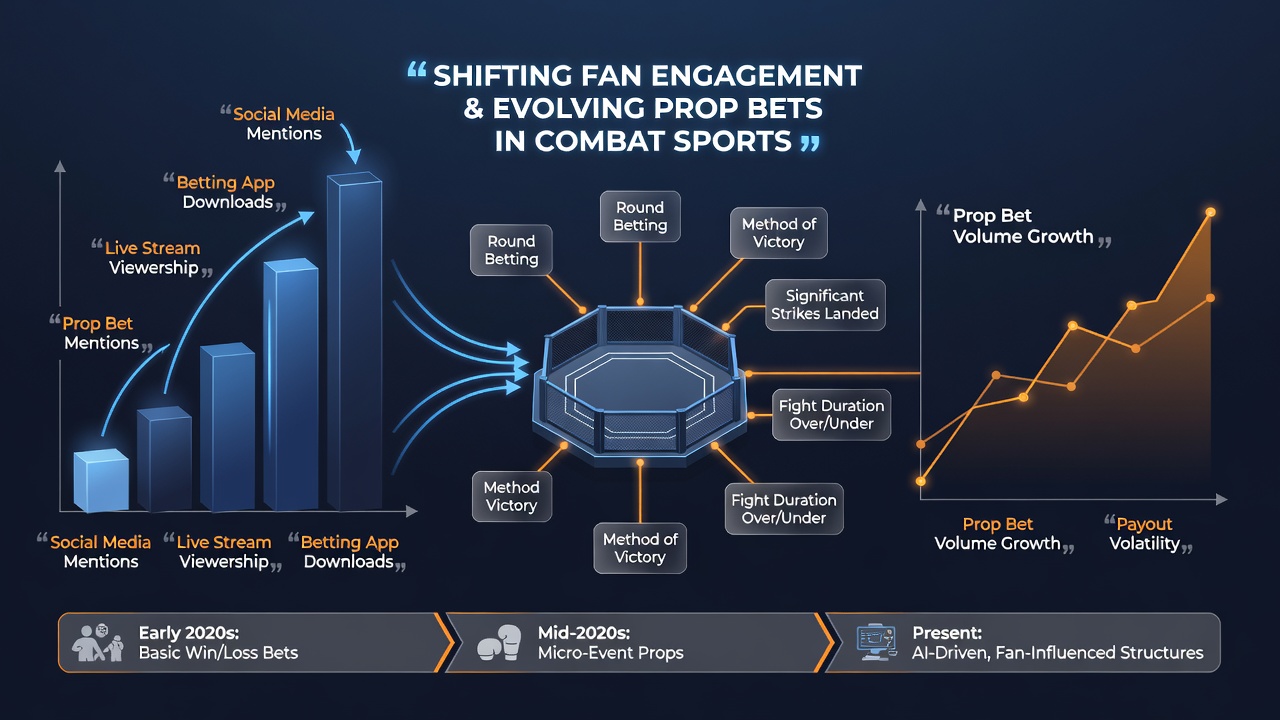
Combat sports circuits have seen measurable changes in how audiences interact with events, and these patterns connect directly to adjustments in prop bet offerings across major promotions. Data from regulatory filings and platform analytics show that engagement indicators such as social media mentions, streaming concurrent viewers, and in-app interaction times have shifted in tandem with the expansion of granular betting markets on fight outcomes, fighter statistics, and round-specific events. Observers note that these connections appear consistently in records from North American and Asian circuits during the first half of 2026.
Documented Changes in Audience Interaction Patterns
Platform operators and promotion companies track multiple engagement signals that have evolved over recent years. Social media volume around individual fighter attributes rather than overall event promotion has increased, according to aggregated public data released by state gaming authorities in Nevada and New Jersey. Concurrently, prop bet menus have grown to include more options tied to those same attributes, such as significant strike accuracy percentages or takedown defense rates within specific weight classes.
Researchers examining betting records from licensed operators have identified correlations between spikes in certain engagement metrics and subsequent additions of new prop categories. For instance, when fighter-specific training footage gains traction online, operators have responded by introducing related markets on expected performance thresholds. This pattern holds across multiple UFC numbered events and regional promotions operating under similar regulatory frameworks.
Prop Bet Evolution in Major Circuits
Prop bet structures in combat sports have expanded beyond traditional win-method and round-total selections. Licensed books now routinely list markets on fighter heart rate data proxies, reach differential impacts, and even social media activity levels in the week leading to an event. Figures from the Nevada Gaming Control Board indicate that prop bet handle in combat sports categories grew by double-digit percentages year-over-year through the second quarter of 2026, with the largest increases occurring in markets that align with publicly discussed fighter metrics.
Operators adjust these offerings based on observed user behavior logs rather than speculative trends. When engagement data shows sustained interest in a particular statistic, such as average fight time or submission attempt volume, new prop lines appear within one or two event cycles. This responsiveness creates a documented feedback loop visible in both regulatory reports and anonymized platform summaries shared by industry groups.
Connections Between Metrics and Market Adjustments
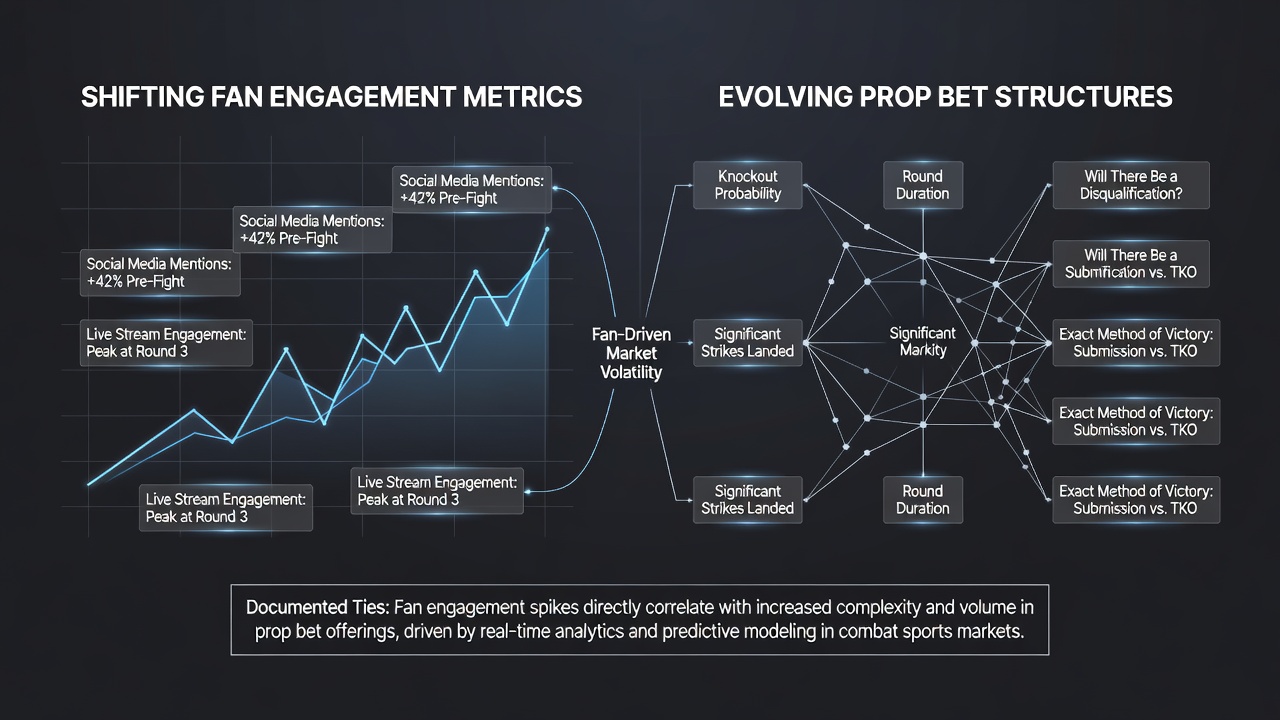
Studies conducted by academic researchers at institutions in Canada and Australia have examined how real-time engagement signals influence betting product development. One analysis of publicly available data found that increases in hashtag usage for specific fight statistics preceded the introduction of corresponding prop bets by an average of 10 to 14 days across sampled events. These findings appear in working papers that compare social listening outputs with subsequent odds board changes.
Regulatory bodies in multiple jurisdictions require operators to maintain records of how new markets are approved and promoted. These records reveal that engagement metric thresholds often serve as internal triggers for market expansion. In July 2026, several promotions scheduled events where preliminary card fighters received heightened social attention, resulting in expanded prop availability for those bouts within 48 hours of observable metric shifts.
Regional Variations Across Combat Sports Circuits
North American circuits demonstrate faster iteration on prop structures compared with some European and Asian markets, where regulatory approval timelines extend the process. Data compiled by the Asia-Pacific Gaming Association shows that Australian and Singaporean operators introduced fewer new combat sports props during the same period, yet still aligned additions with measured engagement increases from local streaming platforms. The differences trace to licensing requirements rather than engagement patterns themselves.
Cross-border comparisons indicate that markets with streamlined approval processes respond more quickly to documented engagement changes. This produces observable differences in bet variety available to users depending on their geographic access point, even when the underlying fight card remains identical.
Future Tracking and Data Integration
Industry reports project continued refinement of these connections through enhanced data integration between engagement platforms and betting systems. As wearable device outputs and advanced performance analytics become more accessible, operators have begun testing prop markets that incorporate elements of those datasets where regulations permit. Records from the first half of 2026 already show preliminary versions of such markets in select jurisdictions.
Those who monitor both engagement dashboards and regulatory filings observe that the relationship between audience metrics and prop structures continues to strengthen. The patterns remain measurable through existing reporting channels, and further documentation is expected as additional events occur through the remainder of the year.
Conclusion
Shifting fan engagement metrics maintain clear, documented relationships with the development of prop bet structures in combat sports. Regulatory data, platform records, and independent analyses consistently show that operators expand markets in response to measurable audience signals rather than arbitrary decisions. These connections operate across multiple circuits and regulatory environments, with variations attributable to approval processes and data availability. Continued observation through established reporting mechanisms will track how these ties evolve with new events and technologies.