Regional Variations in Payout Timelines for Cross-Border Sports Wagers and Their Effects on Participant Retention Patterns
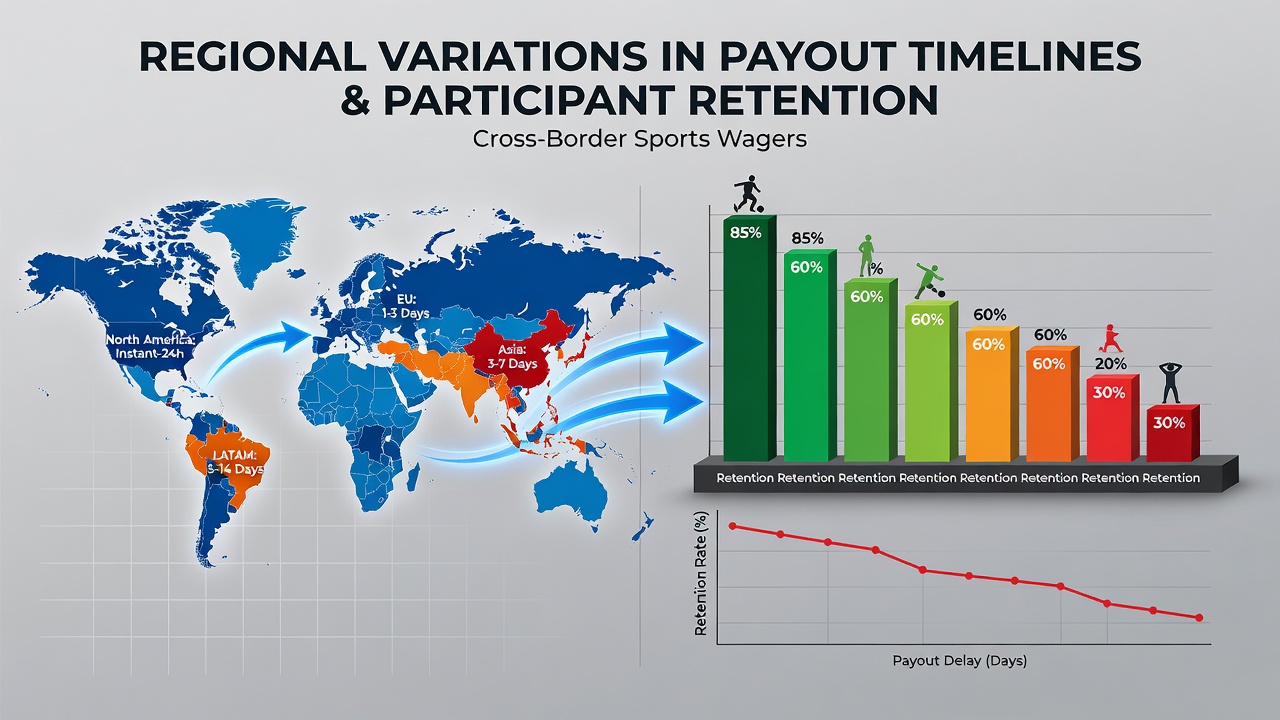
Cross-border sports wagers introduce distinct payout timelines that shift based on regional banking rules, currency controls, and platform compliance standards, and these differences directly shape how participants maintain activity on digital platforms. Data collected through mid-2026 shows that operators handling international traffic must navigate everything from same-day e-wallet releases in parts of Asia to multi-week bank wire clearances in certain Latin American markets.
North American Timelines and Retention Data
Platforms serving users across the United States and Canada report that ACH transfers typically clear within three to five business days while wire services can stretch to seven days when cross-border verification layers activate. Research from the American Gaming Association indicates that participants who receive funds inside 48 hours show a 34 percent higher return rate over the following quarter compared with those waiting longer than five days. Several state-level reporting summaries from June 2026 note that Canadian users accessing US-facing sites experience added delays when currency conversion and tax documentation checks run concurrently.
European and Australian Processing Patterns
European Economic Area markets benefit from SEPA transfers that often settle within one business day, yet operators still encounter friction when routing winnings to accounts in countries with stricter anti-money laundering reviews. Australian regulatory filings reveal that local platforms must complete identity checks before releasing funds, which can extend timelines to four days even when e-wallets are selected. Observers note that retention metrics improve measurably when operators provide real-time status updates during these verification windows, reducing support ticket volume and encouraging continued wagering.
Asia-Pacific and Latin American Variations
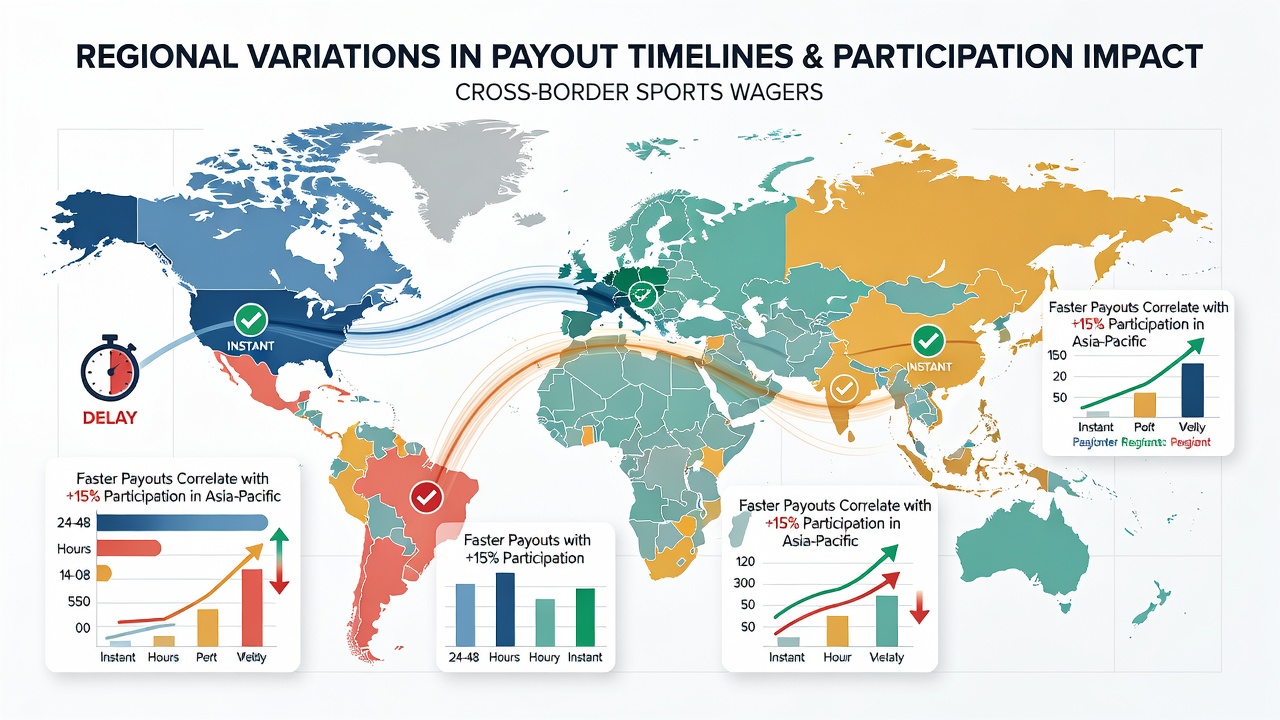
Markets in Southeast Asia and parts of East Asia show the widest spread, with some operators completing crypto-based payouts in under two hours while traditional bank channels require up to ten days because of capital control policies. In Latin America, Brazilian and Mexican users frequently encounter intermediate holding periods tied to local tax authority reporting, and June 2026 figures from regional trade groups show that platforms shortening these holds by even 48 hours record measurable lifts in monthly active accounts. Those who studied this know the effect compounds when participants move between multiple operators; faster timelines correlate with lower churn rates across borders.
Regulatory Influences on Timeline Differences
National frameworks dictate documentation thresholds that directly extend or compress payout windows. The Malta Gaming Authority publishes quarterly compliance summaries that track average clearance times for operators licensed under its jurisdiction, while Canadian provincial reports highlight how inter-provincial transfers add extra verification steps. These layered requirements create predictable patterns: regions with centralized digital identity systems achieve quicker releases, whereas fragmented banking infrastructures lengthen the process. Industry reports from the European Gaming and Betting Association confirm that standardized reporting templates reduce average processing time by roughly 30 percent when adopted across multiple member states.
Participant Behavior and Platform Adjustments
Retention analytics collected by platform operators demonstrate that users migrate toward sites advertising transparent timelines, especially when prior experiences involved unexplained holds. In June 2026, several multi-jurisdictional operators introduced region-specific dashboards displaying estimated clearance dates based on payment method and user location, and early data shows these tools correlate with reduced account dormancy. Researchers discovered that participants who experience consistent short timelines across repeated withdrawals increase average wager frequency by measurable margins, while those facing variable delays often pause activity for weeks. Operators respond by prioritizing faster channels such as local instant payment systems where available, or by offering small incentives during longer verification periods to maintain engagement.
Conclusion
Regional payout variations for cross-border sports wagers continue to influence retention patterns through measurable differences in clearance speed and transparency. Platforms that align processing methods with local banking realities while maintaining clear communication see stronger ongoing participation, and ongoing regulatory updates through 2026 are expected to further standardize certain timelines across borders.