Navigating Regulatory Shifts in Niche Sports Wagering Across South American Markets

Regulatory changes continue to reshape niche sports wagering throughout South America as governments refine licensing rules, tax structures, and compliance standards for operators focusing on sports beyond mainstream football, and these adjustments affect everything from volleyball and futsal to regional games such as tejo and Chilean rodeo betting markets. Observers note that Brazil's federal framework, which expanded licensing requirements in late 2025, now demands clearer separation between popular leagues and emerging niche categories, while Argentina's provincial systems adjust tax rates on smaller sports to encourage local operator participation.
Evolving Frameworks in Major Jurisdictions
Brazil implemented updated operational guidelines that took effect during the first quarter of 2026, requiring platforms to report detailed wager volumes on secondary sports within thirty days of each quarter close, and data indicates these measures aim to reduce underreporting while maintaining competitive balance across licensed entities. Colombian regulators introduced tiered licensing categories that distinguish high-volume football markets from lower-volume niche offerings, which allows smaller operators to secure permits with reduced capital thresholds, yet compliance audits have increased in frequency since early spring. Peru's gaming authority aligned its oversight protocols with regional standards in April 2026, introducing mandatory responsible gambling tools that apply uniformly to all sports categories, and this alignment streamlines cross-border operations for companies active in multiple Andean markets.
Impact on Niche Sports Categories
Niche sports face distinct scrutiny because regulators seek to prevent match-fixing risks in less monitored events, and researchers discovered that volleyball leagues in Brazil and Argentina now require pre-match reporting of player availability and betting limits that cap single-wager exposure. Those who've studied these patterns observe that operators must integrate real-time monitoring systems capable of flagging unusual volume spikes in events such as beach soccer or polo tournaments. In Chile, new provincial rules effective May 2026 mandate that betting houses obtain separate endorsements for any market involving local rodeo competitions, which forces platforms to renegotiate partnership terms with event organizers who control official data feeds.
Compliance Strategies Adopted by Operators
Companies active in these markets have responded by investing in modular compliance platforms that adapt to jurisdiction-specific data fields, and one study revealed that firms using automated reporting reduced audit preparation time by nearly forty percent compared with manual processes. Platforms also partner with regional data providers to verify niche event integrity, while internal teams track legislative proposals across five countries simultaneously to anticipate further adjustments. Argentina's recent tax recalibration for provincial licenses illustrates how operators must recalculate margins on futsal and handball bets to stay profitable under the revised structure.
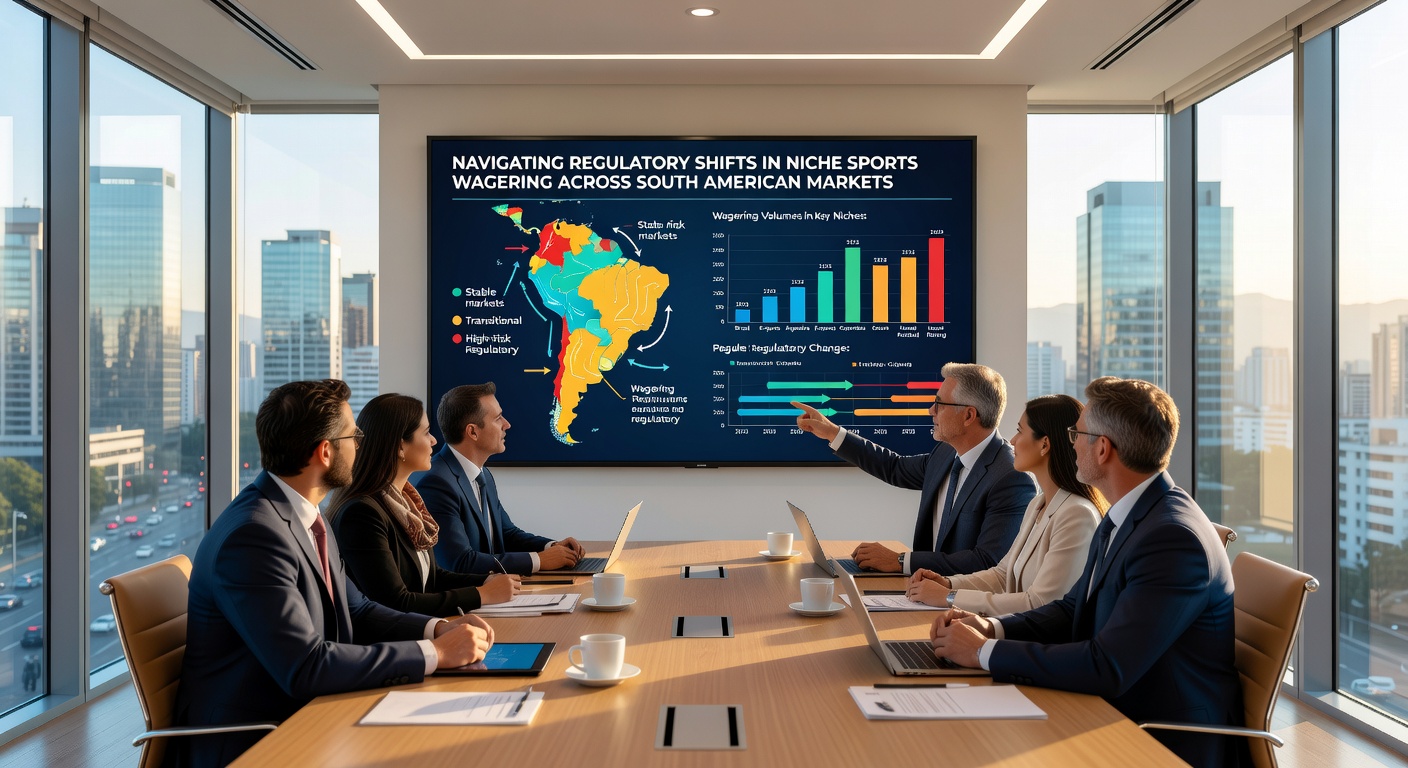
What's interesting is how smaller leagues benefit from these regulatory refinements because clearer rules attract institutional investment that previously avoided unregulated segments, and figures reveal steady growth in licensed niche betting volume across Peru and Uruguay during the opening months of 2026. Operators report that integration of geofencing tools and age-verification upgrades satisfies most new mandates without disrupting user experience on secondary sports markets.
Cross-Border Considerations and Data Requirements
Platforms operating across multiple South American countries encounter layered reporting obligations that vary by sport type, and experts have observed that unified data standards could reduce duplication yet remain under discussion at industry forums scheduled for later in the year. According to an analysis published by the Inter-American Development Bank, consistent tax treatment across borders would encourage larger operators to expand niche offerings while maintaining responsible gambling safeguards already embedded in their systems. Chile and Colombia continue bilateral talks aimed at mutual recognition of certain compliance certifications, which would allow operators licensed in one jurisdiction to serve users in the other without additional audits.
Conclusion
Regulatory shifts in South American niche sports wagering reflect broader efforts to balance market expansion with consumer protection and fiscal oversight, and the adjustments implemented through May 2026 demonstrate ongoing refinement rather than abrupt overhaul. Operators who maintain flexible compliance architectures position themselves to accommodate further updates, while data-sharing agreements between regulators and licensed entities support transparent growth across volleyball, futsal, and regional competitions. Continued monitoring of legislative calendars in Brazil, Argentina, Peru, and Chile remains essential for any platform seeking sustained presence in these evolving markets.