Investigating Connections Between Wearable Fitness Tracker Data and Customized Odds Adjustments in Endurance Sports Wagering
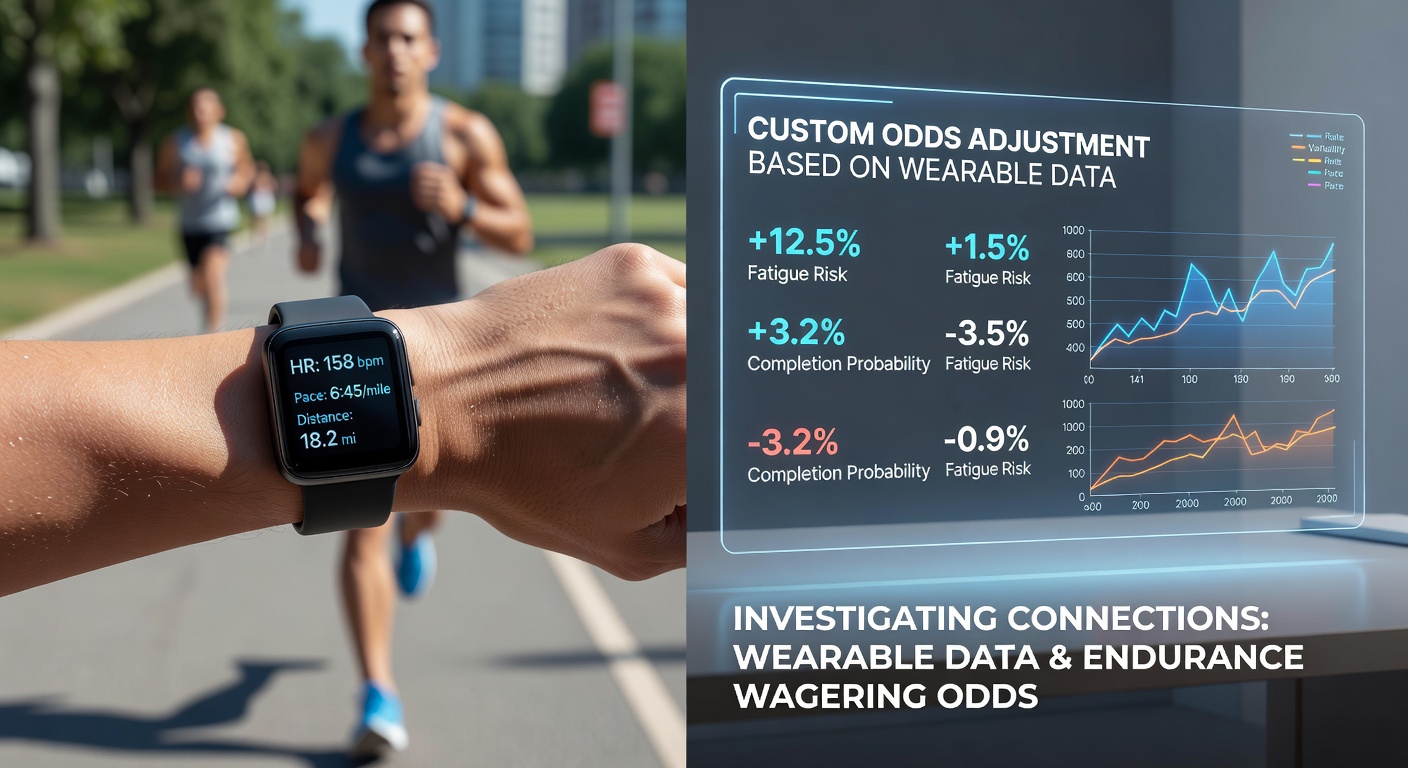
Endurance sports wagering has seen growing interest in how data from wearable fitness trackers might connect to customized odds adjustments, as platforms seek more precise ways to evaluate athlete performance in events like marathons, triathlons, and ultra-cycling races. These devices record metrics such as heart rate variability, sleep patterns, training volume, and recovery indicators, which analysts examine alongside traditional statistics to refine betting lines. In May 2026 operators have begun integrating aggregated anonymized tracker information into their models, though access remains limited to partnerships with device manufacturers and athlete consent programs.
How Wearable Metrics Feed into Performance Models
Researchers have observed that heart rate data collected over weeks of training can signal an athlete's current fitness level, while sudden spikes in resting heart rate often correlate with overtraining or illness that might affect race outcomes. Sports analytics firms combine this information with historical race results and environmental factors like altitude or temperature forecasts, creating layered profiles that betting operators use when setting odds for individual participants. Data indicates that customized adjustments occur most frequently in head-to-head matchups or prop bets rather than outright winner markets, since granular physiological signals provide sharper differentiation between competitors.
Regional Developments in Data Integration
Across North America and Europe, several endurance events have piloted programs where athletes voluntarily share de-identified tracker output with research groups, allowing statisticians to test correlations between pre-race sleep quality and finish times. A study conducted through the Australian Institute of Sport examined multi-year data from Ironman participants and found measurable links between consistent training load patterns and performance stability, though results varied by age group and event distance. Canadian regulators have similarly encouraged transparency around data sources, requiring operators to disclose when external physiological inputs influence line movements in regulated markets.
Bookmakers adjust odds dynamically when new information emerges about an athlete's recent training disruptions or strong recovery trends, yet these modifications remain modest because public betting volume still drives the largest shifts. Observers note that endurance sports present unique challenges compared with team events, since individual physiological data can reveal personal vulnerabilities that traditional box scores do not capture. Platforms therefore build internal dashboards that weight wearable signals differently depending on the sport and distance, applying heavier emphasis on recovery metrics for ultra-distance races where cumulative fatigue plays a larger role.
Challenges in Data Accuracy and Standardization
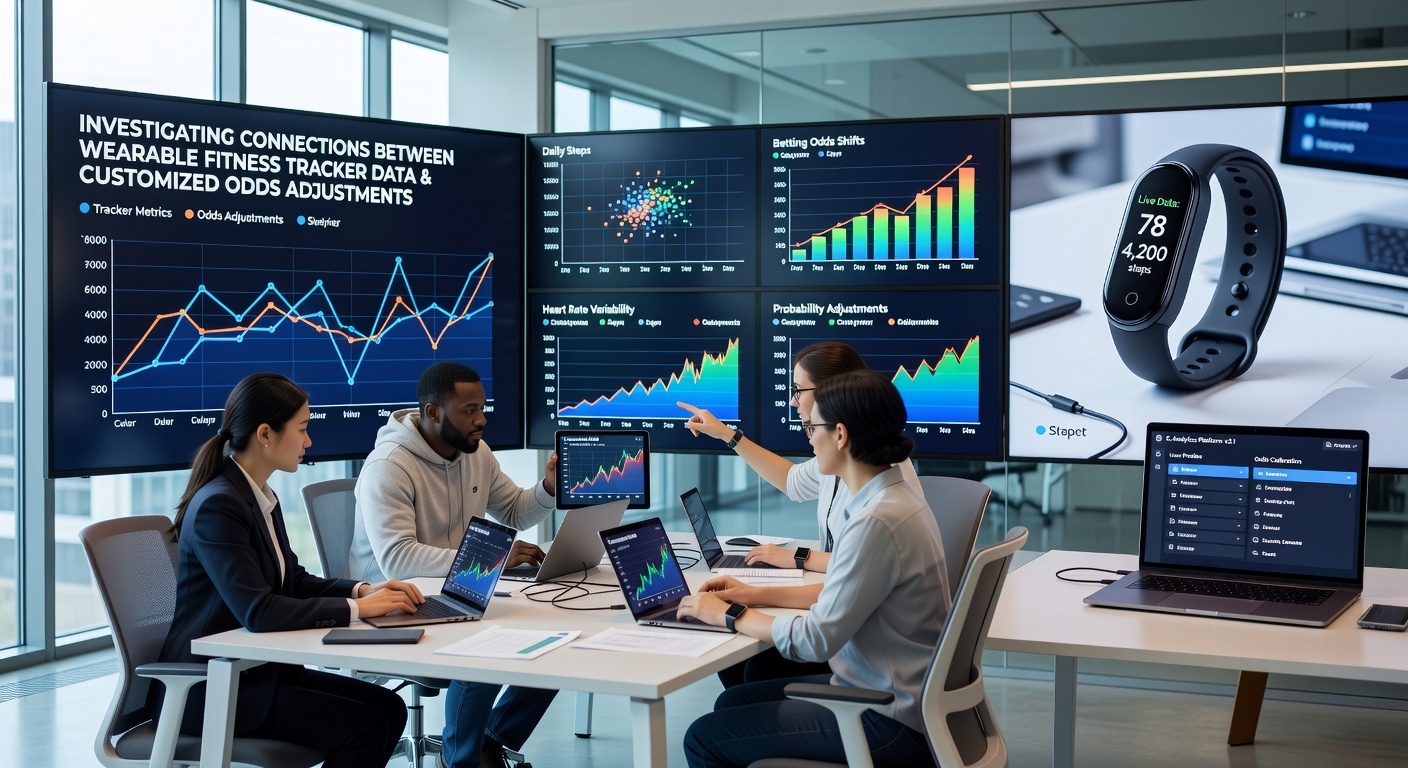
Device manufacturers use different algorithms to calculate training load and recovery scores, which creates consistency issues when analysts attempt to merge datasets from multiple brands. Experts have pointed out that consumer-grade trackers sometimes diverge from medical-grade equipment in heart rate accuracy during high-intensity efforts, potentially introducing noise into predictive models. Betting operators therefore apply calibration layers and cross-reference tracker outputs with publicly available race results before incorporating signals into odds calculations.
Privacy regulations further shape how much individualized information reaches wagering platforms, since many jurisdictions require explicit athlete consent and data minimization practices. In May 2026 several European operators reported expanded compliance frameworks that limit the granularity of physiological inputs they may use, pushing firms toward aggregated trend analysis rather than single-athlete profiling. Those frameworks also mandate periodic audits to verify that odds adjustments based on wearable signals do not inadvertently create unfair advantages for sophisticated bettors who might access similar data streams through unofficial channels.
Case Examples from Recent Events
Take one triathlon series that partnered with a major device maker to collect anonymized training summaries from registered professionals. Analysts discovered that athletes showing elevated fatigue scores in the final two weeks before competition posted slower swim splits on average, prompting minor line adjustments in related prop markets. Another ultra-running circuit shared post-event reports indicating that participants with stable sleep patterns throughout a multi-stage race maintained more consistent pacing, a finding that modeling teams later tested against historical betting data to refine future odds algorithms.
Academic researchers continue to explore whether wearable signals add meaningful predictive power beyond established variables like past performance and course familiarity. Preliminary findings from collaborative projects between universities and sports science institutes suggest modest improvements in forecast accuracy for mid-pack competitors, whereas elite-level outcomes remain harder to differentiate because top athletes often display similar high-level training profiles. These studies emphasize the need for larger sample sizes and longer observation periods before drawing firm conclusions about the practical value of such data in wagering contexts.
Future Outlook for Endurance Wagering Analytics
Industry groups have begun discussing standardized data schemas that would allow multiple device platforms to feed comparable metrics into shared analytics environments, potentially increasing the reliability of physiological inputs for odds setting. Regulatory bodies in Australia and Canada continue to monitor developments closely, balancing innovation with requirements for responsible data handling and market integrity. As endurance sports wagering expands, the connection between wearable fitness tracker information and customized odds adjustments will likely depend on continued advances in data standardization, athlete participation rates, and regulatory clarity around acceptable information sources.
Conclusion
The investigation into wearable fitness tracker data and its role in endurance sports wagering reveals a developing intersection of sports science and betting analytics that operates within strict privacy and regulatory boundaries. Current practices rely on aggregated, consented datasets combined with traditional performance indicators, producing targeted odds refinements rather than wholesale market overhauls. Continued research and cross-industry collaboration will determine how far these connections extend while maintaining fairness and transparency for all participants.