How Interface Adjustments in Digital Wagering Platforms Guide New Users Through Regional Compliance Requirements While Maximizing Available Promotional Structures
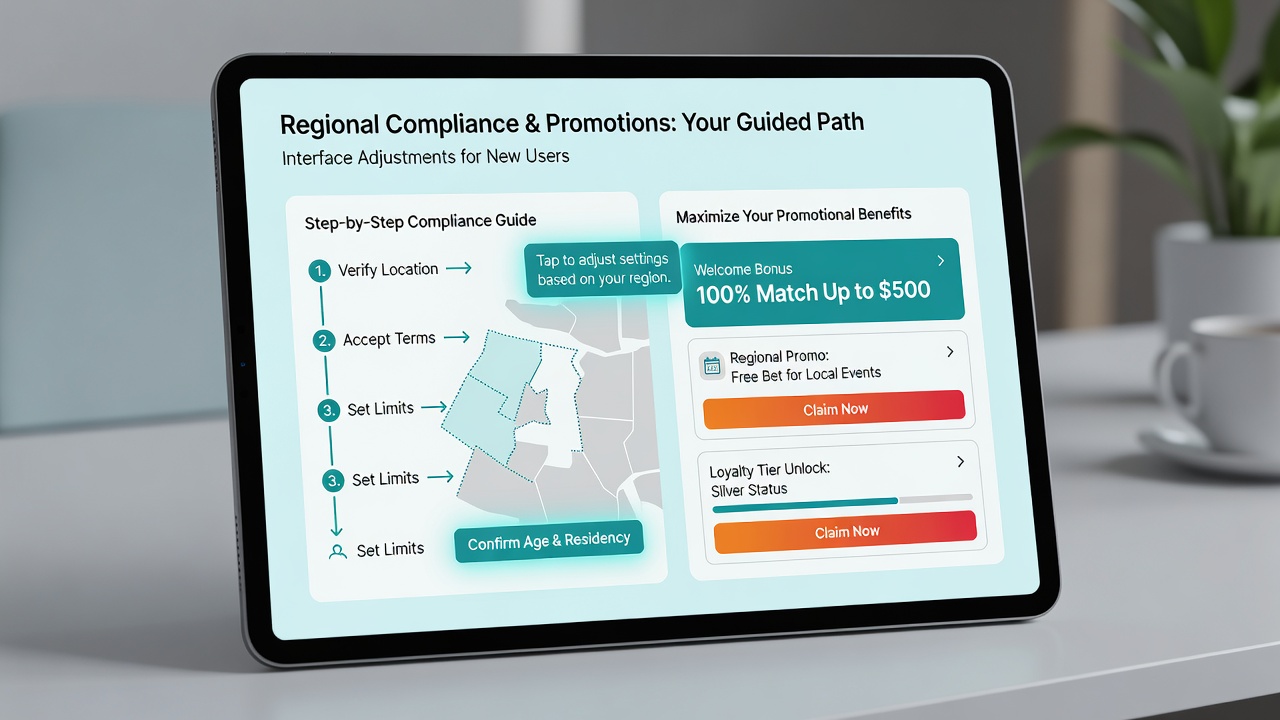 Platform designers have refined user interfaces across digital wagering sites to embed compliance checks directly into the onboarding flow, and these adjustments help new users meet location-specific rules without disrupting access to promotional offers. Data from regulatory filings indicates that streamlined verification steps reduce drop-off rates during registration while directing users toward region-approved bonuses.
Embedding Regional Compliance into Initial User Journeys
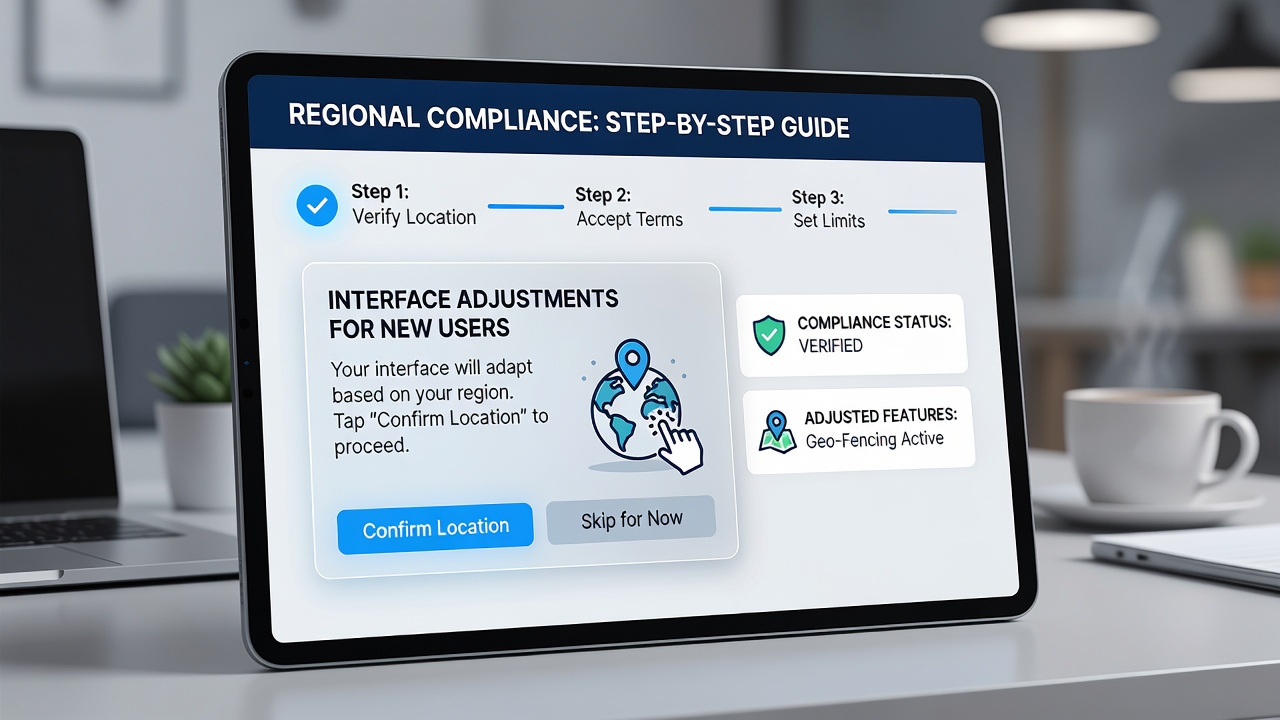
Interface elements now trigger automatic location detection upon entry, which routes users to tailored compliance sequences based on their detected jurisdiction. Researchers at the University of Nevada, Las Vegas have documented how these systems integrate age verification and address confirmation within the first few clicks, pulling data from government databases where permitted. The process connects seamlessly to account creation, so users complete required fields in one continuous session rather than navigating separate portals.
Platforms adjust button placements and form layouts to highlight mandatory disclosures, such as responsible gaming notices or tax reporting reminders that vary by state or province. In June 2026, several operators updated their dashboards to include real-time regulatory alerts for users in expanding markets like Michigan and Ontario, where new licensing rules took effect earlier that year. These alerts appear as expandable panels rather than pop-ups, allowing users to review details while proceeding with setup.
Aligning Promotional Access with Compliance Pathways
Promotional structures receive similar treatment through conditional displays that activate only after compliance milestones are met. Users encounter opt-in modules for welcome bonuses or deposit matches positioned immediately after verification succeeds, and the interface filters available offers according to local restrictions on free bets or cashback programs. This sequencing prevents users from selecting ineligible promotions while presenting the maximum number of valid options at each stage.
Studies from the International Center for Gaming Regulation show that such conditional interfaces increase uptake of compliant promotions by guiding users through eligibility criteria in sequence. For instance, a user in a market with wager requirements sees those terms displayed alongside the bonus claim button, with progress trackers updating as qualifying bets are placed. The design uses progress bars and checklists that connect compliance status directly to promotional unlocks.
Dynamic Adjustments Across Jurisdictions
Operators maintain separate interface variants that load based on IP and account data, and these variants incorporate jurisdiction-specific rules for deposit limits, withdrawal timelines, and bonus wagering multipliers. In regions with stricter self-exclusion protocols, the interface includes prominent links to exclusion registers right alongside promotional banners, ensuring users encounter both sets of information without additional navigation. What's interesting is how these elements appear contextually rather than as static sidebars, adapting as the user moves through different sections of the platform.
Industry reports from the Michigan Gaming Control Board note that platforms serving multiple states have adopted modular UI components that swap in required language and forms without forcing full page reloads. This keeps the experience fluid while satisfying audit requirements for each market. Users in one area might see tax withholding explanations during cashout, whereas those elsewhere receive different prompts tied to their local statutes.
Maximizing Promotional Value Through Guided Flows
Design teams configure reward centers and notification systems to surface promotions that align with completed compliance steps, and this approach helps users claim offers they qualify for without manual searching. Data shows that personalized dashboards, updated after verification, list active bonuses with their remaining requirements clearly marked. Users receive in-app messages that reference their current compliance level and suggest next actions to unlock additional value, such as completing a profile section or verifying a payment method.
Case examples from operators in multiple Canadian provinces illustrate how these flows adjust promotional calendars seasonally, incorporating compliance reminders into bonus terms. The interface presents wager tracking tools that double as compliance logs, recording activity needed for both regulatory reporting and bonus fulfillment in the same view.
Conclusion
Interface adjustments continue to evolve as digital wagering platforms respond to shifting regional frameworks, and the integration of compliance tools with promotional pathways supports user retention across diverse markets. Observers note that these design choices create pathways where regulatory adherence and offer access operate as interconnected elements rather than separate processes. As new jurisdictions introduce or revise rules, platforms refine their interfaces to maintain this balance through updated detection logic and conditional content delivery.