How Algorithmic Models Recalibrate Risk Thresholds for Prop Bets During Extended Injury Layovers in European Football Circuits

European football circuits operate on tight schedules where player availability shapes every layer of wagering markets, and algorithmic models sit at the center of how operators manage prop bet exposure when injuries stretch into weeks or months. These systems track variables from historical performance data to current squad depth while they recalibrate thresholds that determine acceptable stake limits and odds margins. Research indicates that major betting platforms integrated machine learning pipelines by early 2025 to handle the volume of live and pre-match prop options across leagues like the Premier League, La Liga, and Serie A.
Core Mechanics Behind Prop Bet Risk Modeling
Prop bets isolate individual player outcomes such as shots on target or assists, and models assign initial risk scores based on expected participation rates. When an extended layoff begins, the algorithm ingests medical updates, recovery timelines, and team substitution patterns to shift those scores upward. Data from industry reports shows that a single star forward missing eight weeks can trigger a 15 to 25 percent increase in the variance parameter for related props, forcing the system to tighten maximum wager sizes automatically.
Operators feed the models continuous inputs that include fixture congestion calendars, training load metrics published by clubs, and satellite injury reports verified through league medical channels. The recalibration happens in near real time so that overnight updates reflect any new information released by club doctors. According to figures released by the European Gaming and Betting Association in its 2026 mid-year review, automated threshold adjustments prevented an estimated €47 million in excess liability across monitored operators during the spring injury surge.
Impact of Prolonged Absences on Threshold Recalibration
Extended layovers create compounding effects because replacement players rarely replicate the exact statistical profile of the injured starter. Models therefore widen confidence intervals around projected outputs for the affected prop categories. One study from the University of Amsterdam's sports analytics group tracked Serie A matches in 2025 and found that algorithmic systems reduced average stake caps on goal-scorer props by 32 percent within 48 hours of a confirmed long-term absence.
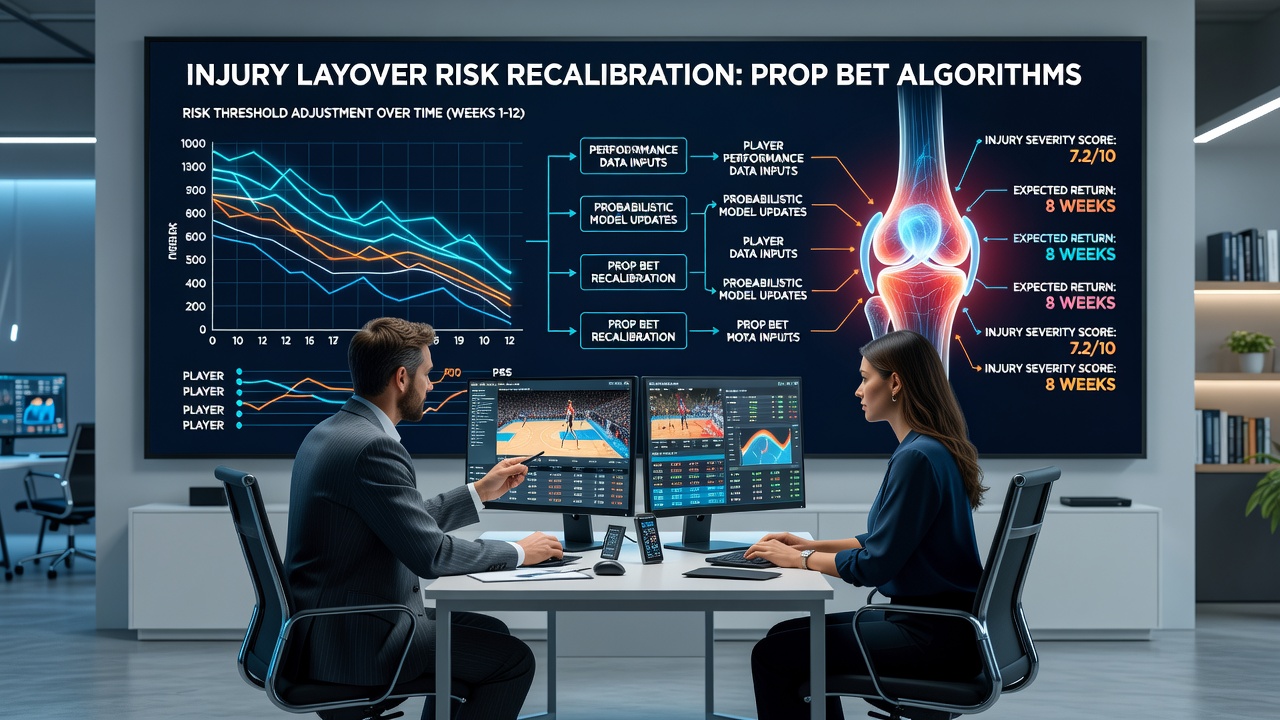
June 2026 brought another wave of muscular injuries following the congested end-of-season schedule, and platforms reported that their models executed more than 1,200 threshold recalibrations in the first two weeks alone. The systems compare current squad rotation trends against five-year historical baselines while they apply Bayesian updating to refine probability distributions. Those who've studied these pipelines note that the models also monitor betting flow velocity to detect any unusual clustering around specific props before finalizing new limits.
Integration of External Data Sources
Modern frameworks pull in satellite feeds from training facilities, GPS workload data shared under league partnerships, and even weather patterns that affect pitch conditions during recovery periods. The algorithms cross-reference these elements against market liquidity metrics so that thinly traded props receive stricter caps faster than high-volume markets. Evidence from operator case studies demonstrates that this multi-source approach reduces the time between injury announcement and threshold update from several hours to under 90 seconds in most cases.
What's interesting is how teh same models handle cascading effects when one injury forces tactical shifts that alter other players' roles. A central midfielder's long absence often elevates risk scores for props involving wingers who suddenly receive more touches. Operators in Spain and Germany have documented these ripple adjustments in internal reports shared with regulators, showing consistent application across different leagues despite varying data availability rules.
Regulatory and Operational Context in Mid-2026
European regulatory bodies continue to examine how automated risk systems balance consumer protection with commercial viability. Platforms must maintain audit trails that log every parameter change triggered by injury data, and several jurisdictions now require quarterly disclosures of threshold adjustment frequency. These requirements emerged after 2025 reviews highlighted inconsistencies in manual override practices that some operators still permitted.
Observers note that the June 2026 window tested these systems during overlapping international breaks and domestic cup finals. Models processed simultaneous layoff announcements from multiple clubs and produced coordinated updates that kept overall portfolio variance within predefined tolerance bands. Industry organizations tracking compliance metrics reported that 94 percent of automated adjustments aligned with internal risk policies without human intervention.
Conclusion
Algorithmic recalibration of prop bet risk thresholds during extended injury layovers has become a standard operational feature across European football betting markets. The combination of real-time medical inputs, historical pattern recognition, and liquidity monitoring allows platforms to respond at speeds that manual processes cannot match. Data from multiple sources confirms that these systems maintained stability through the injury-heavy periods of early 2026 while satisfying evolving regulatory expectations for transparency and auditability.