Examining How Loyalty Tiers Influence Wager Sizing Patterns Among Dedicated Digital Platform Users
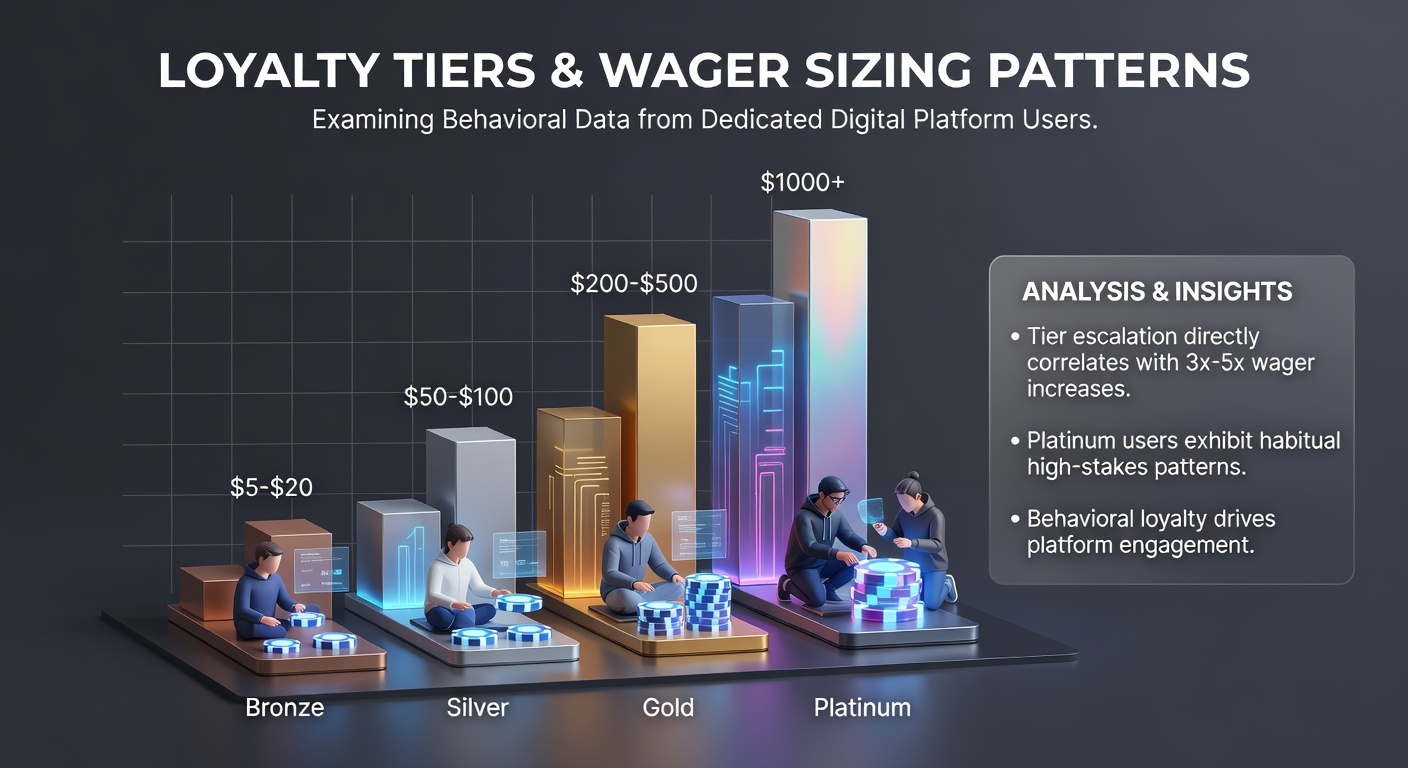
Digital platforms that offer loyalty programs structure rewards around user activity levels, and these tiers often correlate with measurable shifts in how much dedicated participants place on individual wagers. Observers note that participants move through bronze, silver, gold, and platinum categories based on accumulated play volume or deposit frequency, while the incentives attached to each level encourage adjustments in bet amounts to maximize point accrual or unlock benefits.
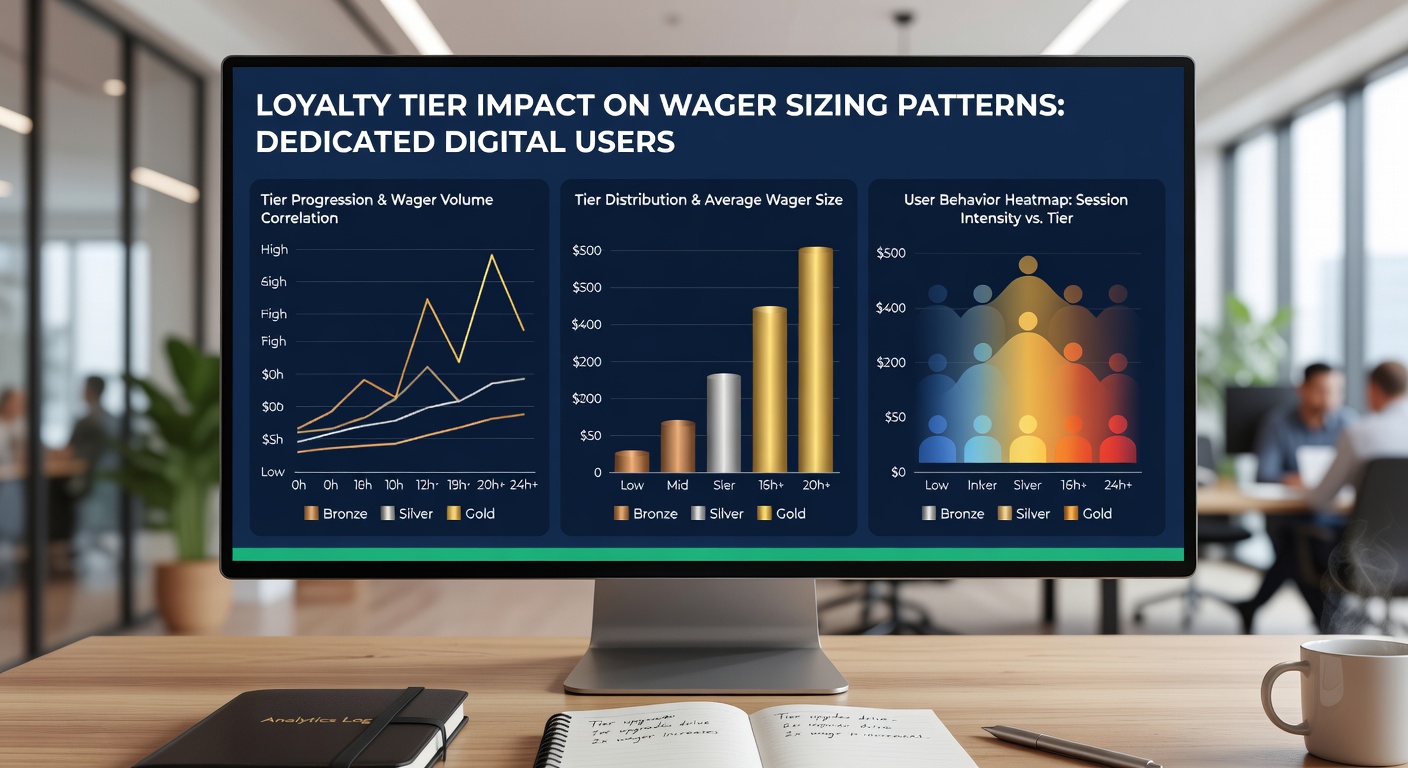
Research indicates that once users reach mid-tier status, average wager sizes tend to increase by measurable percentages, as the promise of enhanced cashback rates or exclusive promotions creates incentives to scale up activity. Data shows this pattern holds across multiple platforms, though exact percentages vary depending on the reward structure and regional player demographics.
Mechanics of Tier Progression and Reward Structures
Loyalty systems calculate advancement through metrics such as total wagered amount over a set period, number of active sessions, or deposit totals, and higher tiers deliver proportionally better returns on play. Participants in elevated categories receive improved multipliers on loyalty points, reduced house edges on select games, or priority access to events, which in turn influences decisions about how much to risk per round or match. Studies have found that these mechanics create feedback loops where users calibrate wager sizes upward to maintain or accelerate their tier status.
Platform operators release periodic reports that track these behaviors, and figures from May 2026 analytics updates revealed consistent upticks in per-wager amounts among users who crossed into gold or platinum brackets during the preceding quarter. Those who've examined the datasets point out that the increases appear most pronounced in the weeks immediately following tier advancement notifications.
Documented Shifts in Betting Volume and Frequency
Industry data compiled by research groups such as the American Gaming Association tracks how tiered rewards affect session-level spending patterns. Higher-tier users demonstrate larger average bets per event, yet they often maintain similar overall session lengths because the perceived value of each wager rises with the reward multiplier. This results in elevated total handle without necessarily extending time spent on the platform.
Analysts compare bronze-level participants, who favor smaller, more conservative stakes to extend playtime, against platinum users who place larger individual wagers to capture accelerated point accumulation. The transition between these behaviors occurs gradually as users accumulate the required activity thresholds, and longitudinal tracking shows that once the new tier stabilizes, wager sizing tends to plateau at the higher level rather than revert.
Regional Variations and Regulatory Context
Patterns differ across jurisdictions because regulatory frameworks shape the types of rewards operators may offer. In markets overseen by bodies such as the Malta Gaming Authority, emphasis on responsible play features can moderate the rate at which wager sizes escalate even as users advance tiers. Conversely, data from Canadian provincial regulators shows slightly steeper increases in average bet sizes once users qualify for premium benefits, partly because promotional structures focus more heavily on cashback percentages tied directly to volume.
Academic examinations, including work published through university-affiliated gambling research centers, confirm that dedicated users respond to tier visibility cues such as progress bars and upcoming reward unlocks. These visual signals prompt incremental wager adjustments, particularly when users sit near the threshold for the next level and seek to cross it within the current tracking cycle.
Factors That Moderate or Amplify the Effect
Game type plays a role in how strongly loyalty tiers steer wager sizing. Slots and instant-win formats exhibit clearer volume-driven increases compared with table games, where strategic considerations sometimes cap individual bet amounts regardless of tier status. Platform operators adjust reward tables accordingly, and users who concentrate activity in high-multiplier categories display the most pronounced shifts in sizing behavior.
Demographic variables also appear in aggregated reports. Younger cohorts tend to accelerate wager growth upon tier advancement more rapidly than older groups, while players with longer account histories demonstrate steadier but smaller adjustments. These distinctions surface in platform-wide statistics released periodically, allowing operators to refine tier thresholds and reward values to align with observed patterns.
Conclusion
Loyalty tiers function as structured incentive systems that correlate with measurable changes in wager sizing among dedicated digital platform users. Advancement through the levels consistently links to increases in average bet amounts, driven by reward multipliers and status benefits that reward volume. Regional regulatory environments and game formats introduce variations, yet the core relationship between tier status and wager calibration persists across datasets examined through 2026. Continued monitoring of these patterns supplies operators and researchers with concrete information on how reward design shapes user activity over time.