Betting Operators Unite Behind Super PAC to Shape State Races

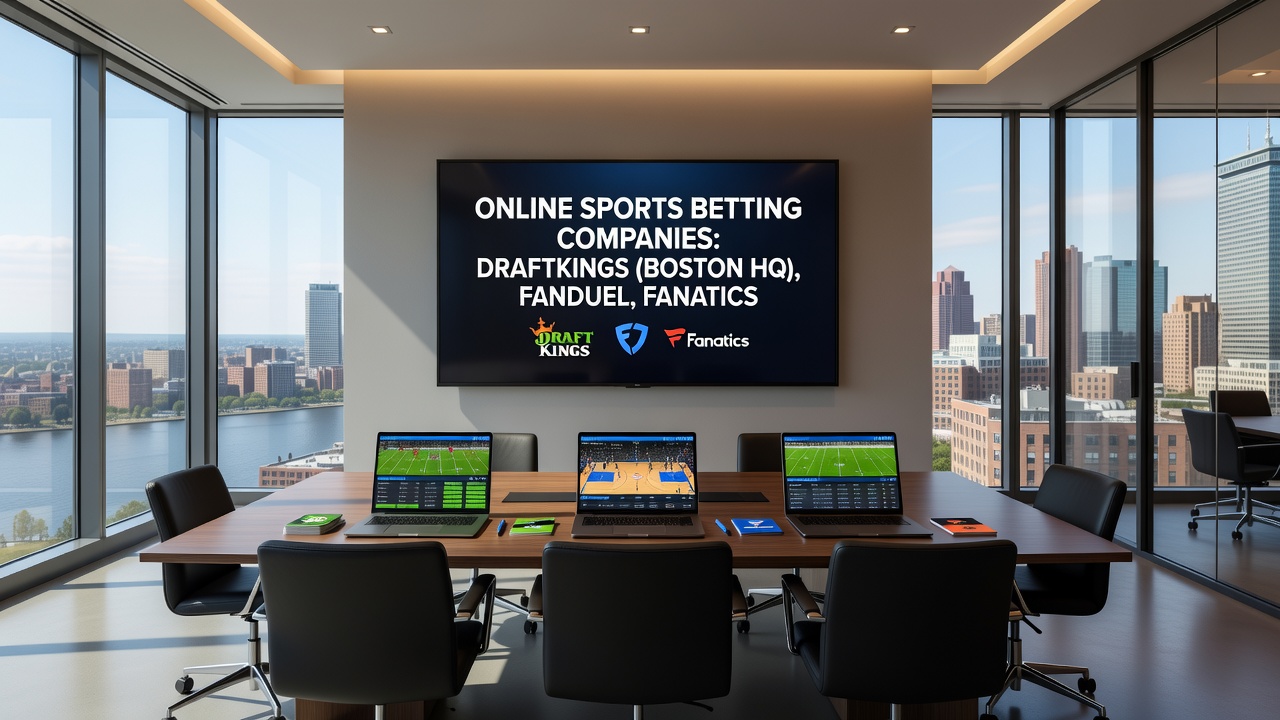
Online sports betting companies including DraftKings based in Boston, FanDuel, and Fanatics have formed a super PAC called Win For America, and they have contributed a combined 43 million dollars to influence state legislative races across multiple jurisdictions. DraftKings provided nearly half of that total while the others added substantial amounts as well. This coordinated effort comes directly in response to proposals for stricter betting regulations in Massachusetts and other states where concerns over gambling addiction continue to surface alongside reform bills under consideration.
Observers note that the super PAC structure allows unlimited contributions from these corporations, and it positions the group to support candidates who favor measured oversight rather than sweeping new restrictions. Committee filings for Win For America super PAC (C00925586) document the inflows and the initial spending patterns that have already begun in key districts.
Contribution Breakdown and Early Spending
DraftKings led the funding with an infusion that approached 21.5 million dollars, which established the PAC as one of the better capitalized groups operating in state-level contests this cycle. FanDuel and Fanatics followed with commitments that brought the aggregate to the reported 43 million dollar mark, and the money has started flowing into races where legislative control could determine the pace of any new rules. Those who track campaign finance records point out that super PACs of this scale often focus on television ads, digital outreach, and direct support for candidates who align with industry positions on responsible gaming standards versus outright limits on advertising or player protections.
Legislative Pressure in Massachusetts and Beyond
Proposals in Massachusetts have centered on tighter advertising rules, mandatory contributions to addiction treatment funds, and limits on the number of licenses available in certain regions. Similar discussions have emerged in other states where revenue from mobile betting has grown quickly yet public health advocates have pushed for additional safeguards. The formation of Win For America gives the three companies a unified vehicle to back lawmakers who prefer regulatory frameworks that allow continued expansion while addressing addiction concerns through existing self-exclusion tools and age verification systems already in place.
By June 2026 the PAC had already begun identifying priority districts in several states where close races could swing the balance of power on committees that oversee gaming policy. Data from the committee shows early disbursements directed toward independent expenditures rather than direct candidate contributions, which keeps the activity within the legal bounds established for super PACs. Those who've followed similar efforts in prior cycles observe that such spending often intensifies in the final weeks before primaries and general elections when voter attention peaks.
Strategic Context for the Industry
The companies involved operate the largest mobile platforms in the United States, and each has expanded rapidly since states began legalizing sports wagering after the 2018 Supreme Court decision. With market share at stake, the decision to pool resources through a single super PAC reflects a shared assessment that fragmented individual lobbying might prove less effective against coordinated reform movements. Reform bills in Massachusetts and elsewhere have proposed measures such as mandatory loss limits, restrictions on in-game betting options, and higher tax rates on handle, all of which could affect revenue projections that operators have shared with investors.
Committee records indicate that Win For America has registered at the federal level, which opens pathways for coordination with state-level political action committees while maintaining compliance with disclosure requirements. The structure also allows the group to accept additional contributions from other industry participants who may join later in the cycle. Observers who monitor these filings note that the timing aligns with legislative sessions winding down in several states and with primary elections approaching in others where regulatory policy remains a live issue.
Conclusion
The formation of Win For America and the 43 million dollar commitment from DraftKings, FanDuel, and Fanatics represent a concentrated effort to participate in state legislative contests where betting regulation will be decided. Committee filings continue to track inflows and expenditures, and the coming months will reveal how the funds shape outcomes in targeted districts. As proposals for stricter rules advance or stall, the PAC activity offers one measurable indicator of industry priorities heading into the next round of state-level policy debates.